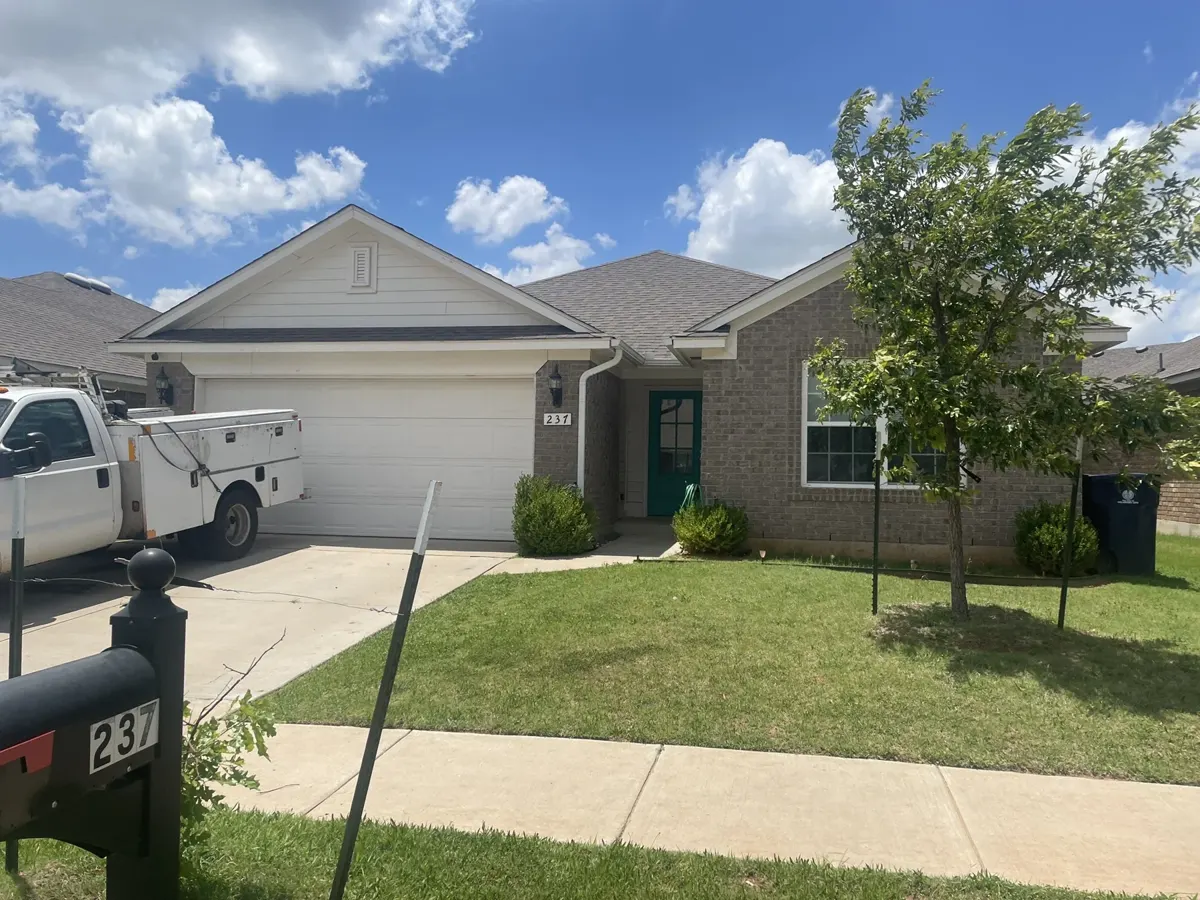
Tell the inspector what has changed
The best inspections start with your observations. Mention leaks, new ceiling stains, missing shingles, prior repairs and the date of any recent storm. Share photos or earlier project documents if you have them, such as a past repair invoice or the original installation paperwork.
Your notes help direct the inspection, but the inspector still needs to assess the accessible conditions before recommending a scope. A stain in the hallway, for example, does not by itself show where water entered the roof.
It also helps to have attic access clear if the concern involves a leak or moisture. Many roof problems leave clues on the underside of the deck, such as staining, damp insulation or daylight, that cannot be seen from outside. Tell the team whether the attic is accessible and where the hatch is.
What does a roof inspection include?
Every roof is different, but a thorough visit typically looks at these areas. Ask which ones were included in yours.
- The roof covering: worn, missing, cracked, lifted or damaged shingles or panels
- Flashing at walls, chimneys, skylights and valleys
- Penetrations such as vent pipes, pipe boots and exhaust vents
- Roof edges, drip edge, fascia and soffit where visible
- Gutters and downspouts, if they are part of the review
- Visible signs of ventilation or moisture problems
- Photographs that support each finding
Ask what was inspected and what was not
A useful discussion identifies the areas reviewed, the visible wear or damage and details such as flashing, penetrations and roof edges. Ask whether gutters and adjacent exterior components like siding were included.
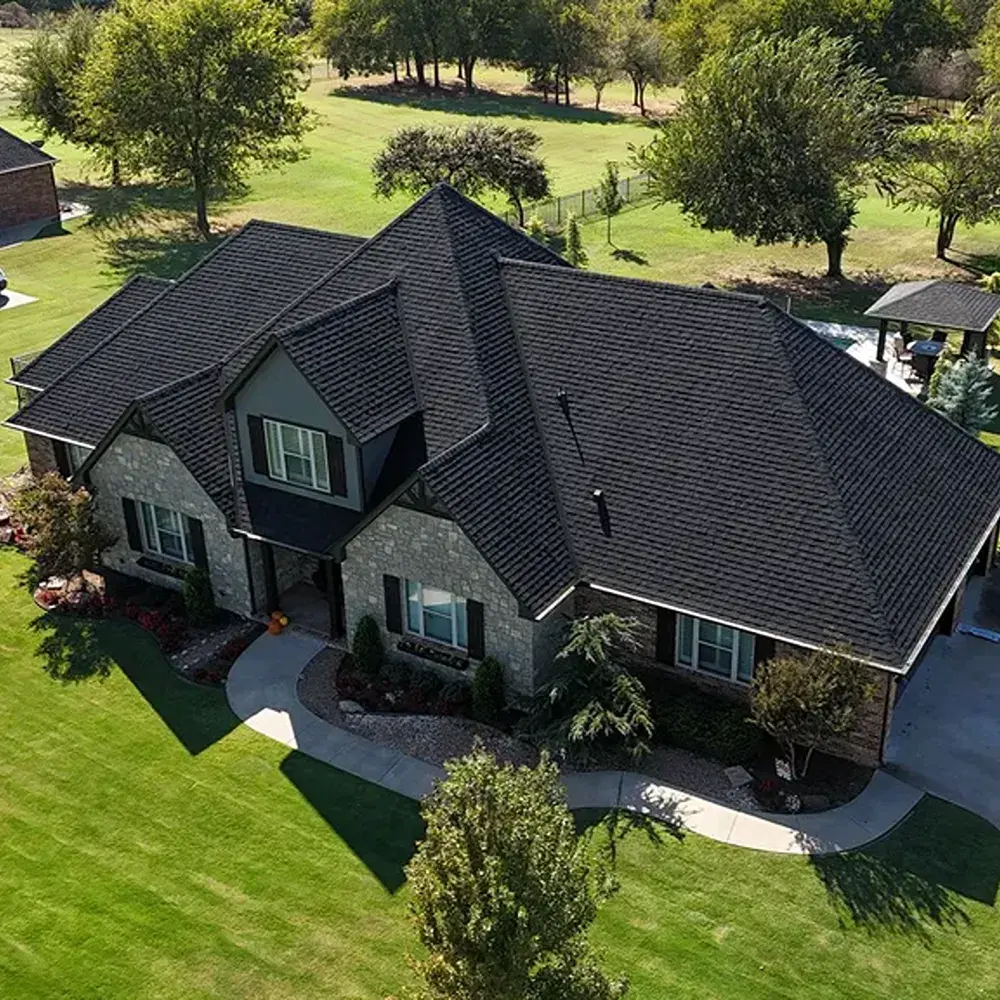
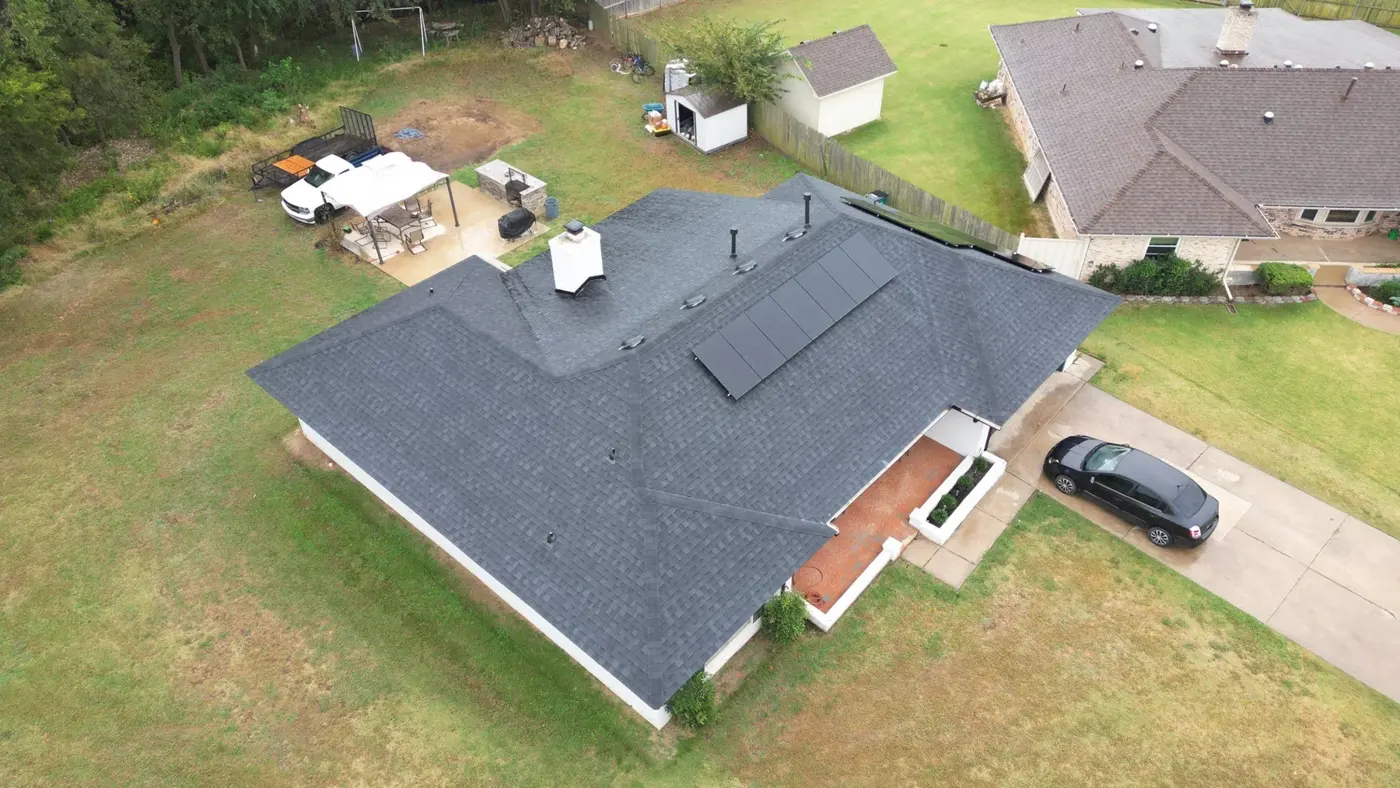
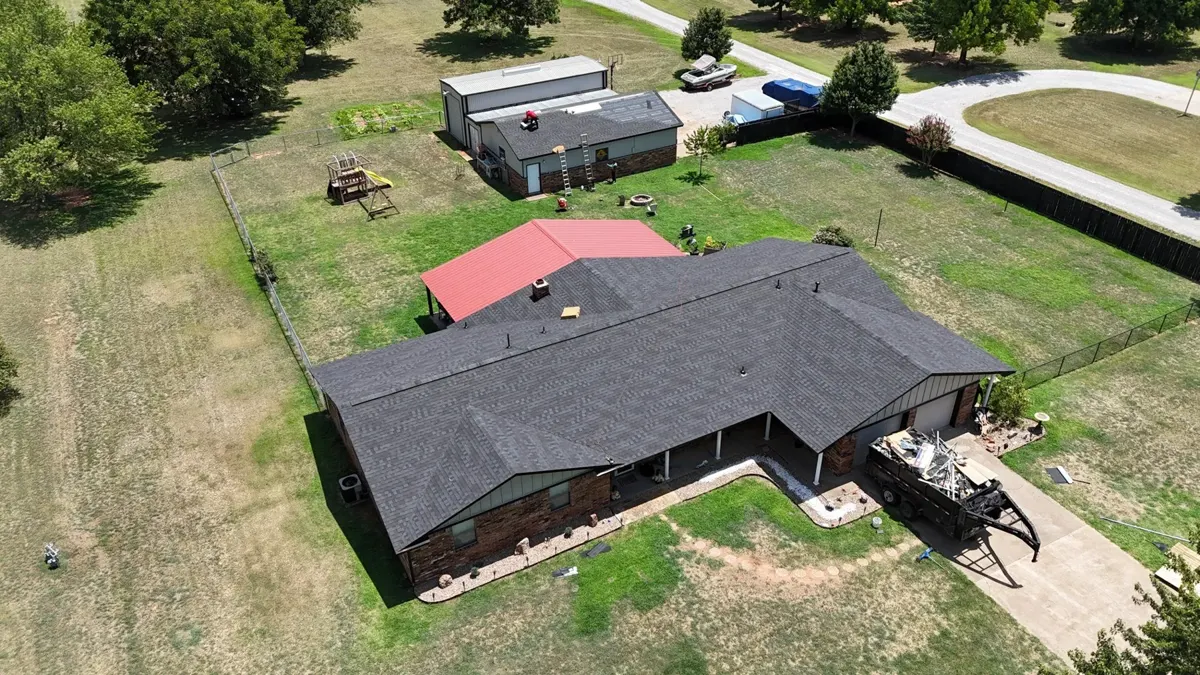
Access limits matter. A ground-level or aerial view may not answer the same questions as a closer assessment on the roof. Steep pitch, wet conditions or fragile materials can limit access, and some conditions, such as decking under existing shingles, stay hidden until materials are removed. A good inspector tells you what they could not see.
Ask how the inspector reached the roof and which slopes they walked or viewed up close. On a home with several roof sections, one slope can look very different from another, especially after a storm that came from one direction. If parts of the roof could not be reached, ask whether a follow-up visit or a different method would help answer the remaining questions.
Request a clear explanation of the findings
Photographs should support a clear explanation of what the inspector observed. Ask which issues need attention now, which can be monitored and why a repair or replacement is being proposed.
A finding should be clearly separated from an assumption, especially when the cause or extent of a problem needs more evaluation. "This pipe boot is cracked" is an observation. "The whole roof is failing" is a conclusion, and you should ask what evidence supports it.
Good photos are specific. Each one should show where it was taken, what it shows and why it matters. Ask the inspector to walk you through them, slope by slope, and connect each photo to the recommendation. If a recommendation depends on something not yet confirmed, such as decking condition under existing shingles, it should be described as an allowance or a possibility rather than a certainty.
How a RedZone inspection works
You tell us what changed
Call or request an estimate and describe the concern, the timing and any repair history.
We inspect accessible areas
The team looks at the roof and related exterior components and photographs what they find.
We explain the findings
You get a plain explanation of what was observed, what remains uncertain and what we recommend.
You review a written scope
If work is needed, you receive a written scope with materials and cleanup before anything is scheduled.
Inspections after a storm
If you are concerned about hail or wind, share the storm date and what you noticed afterward. RedZone can document damage with photos and provide that documentation for an insurance claim. We can also be present when your insurer's adjuster inspects the roof. Your insurer determines coverage and claim decisions, and an inspection does not guarantee a covered replacement. See our after-the-storm guide and storm restoration page.
If a lender, buyer or insurer requires a specific report or certification, describe that requirement before the visit. A roofing estimate should not be assumed to satisfy it.
Leave with a clear next step
Before agreeing to work, review the written scope, materials, cleanup and how changes will be communicated. Ask who your contact will be. At RedZone, every job has a dedicated project manager from inspection to final walkthrough. If you are weighing options, our repair or replacement guide explains what each is meant to solve.
Ready to schedule? Request a free roof inspection from the Norman, OK or Madison, WI team, and ask what assessment and documentation are included.