A roof in the context of the home
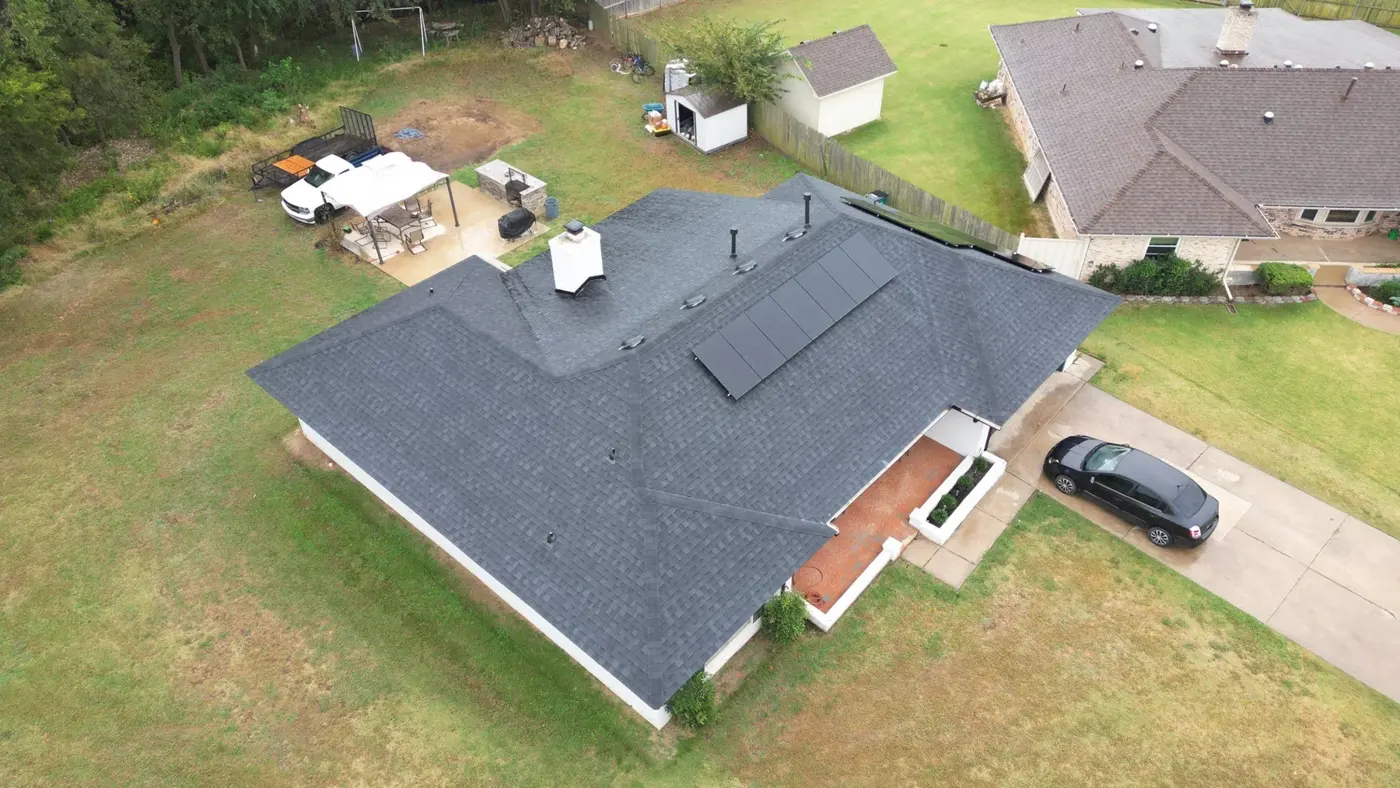
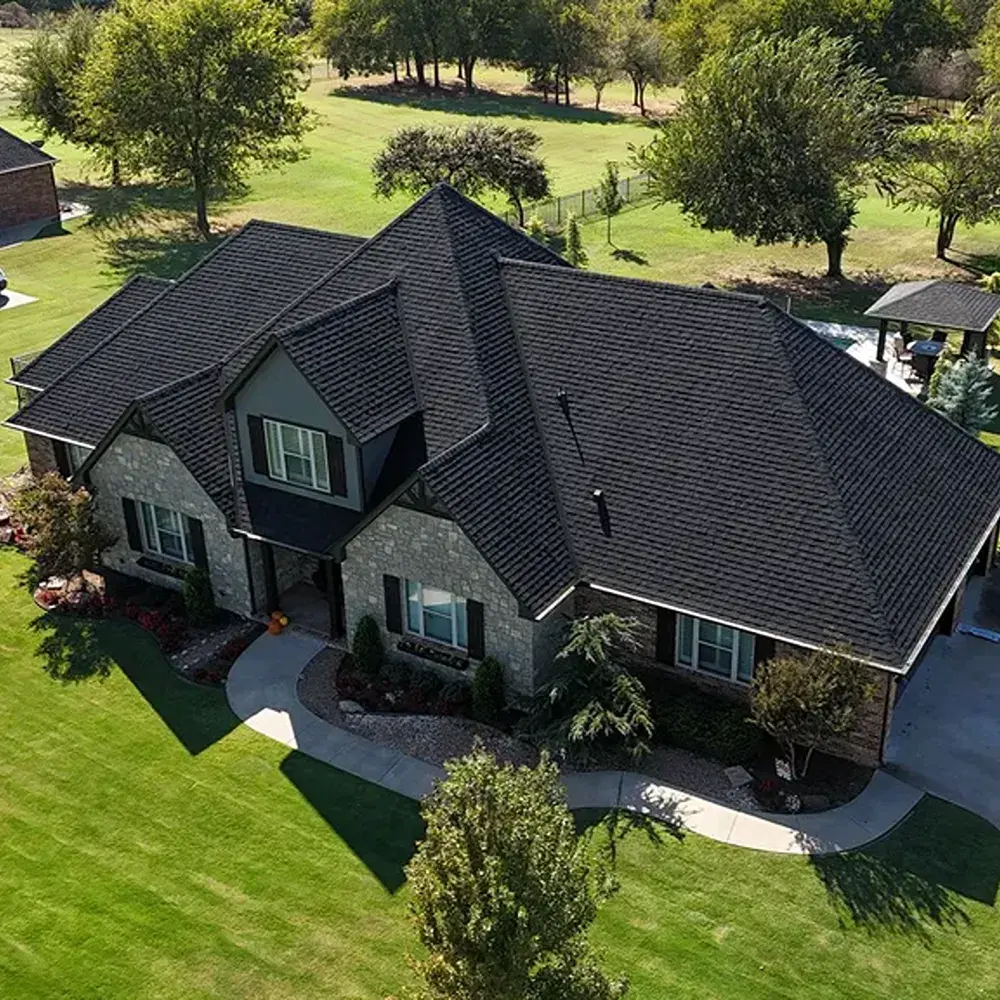
The aerial view of this Oklahoma brick ranch shows a broad dark shingle roof alongside a red patio roof. Seeing a roof from above makes ridges, valleys and the relationship between roof sections much easier to understand than a view from the street.
It also shows why a roof replacement conversation should address the full roof layout rather than only a preferred shingle color. Every valley, ridge and transition between sections is a detail the installation has to handle well.
The red patio roof is a good example. Where a separate roof section meets the main roof or the house, the transition has to shed water reliably, and it is one more detail to account for in the scope. Aerial views make those connections easy to see before the conversation about materials begins.
Compare different roof shapes
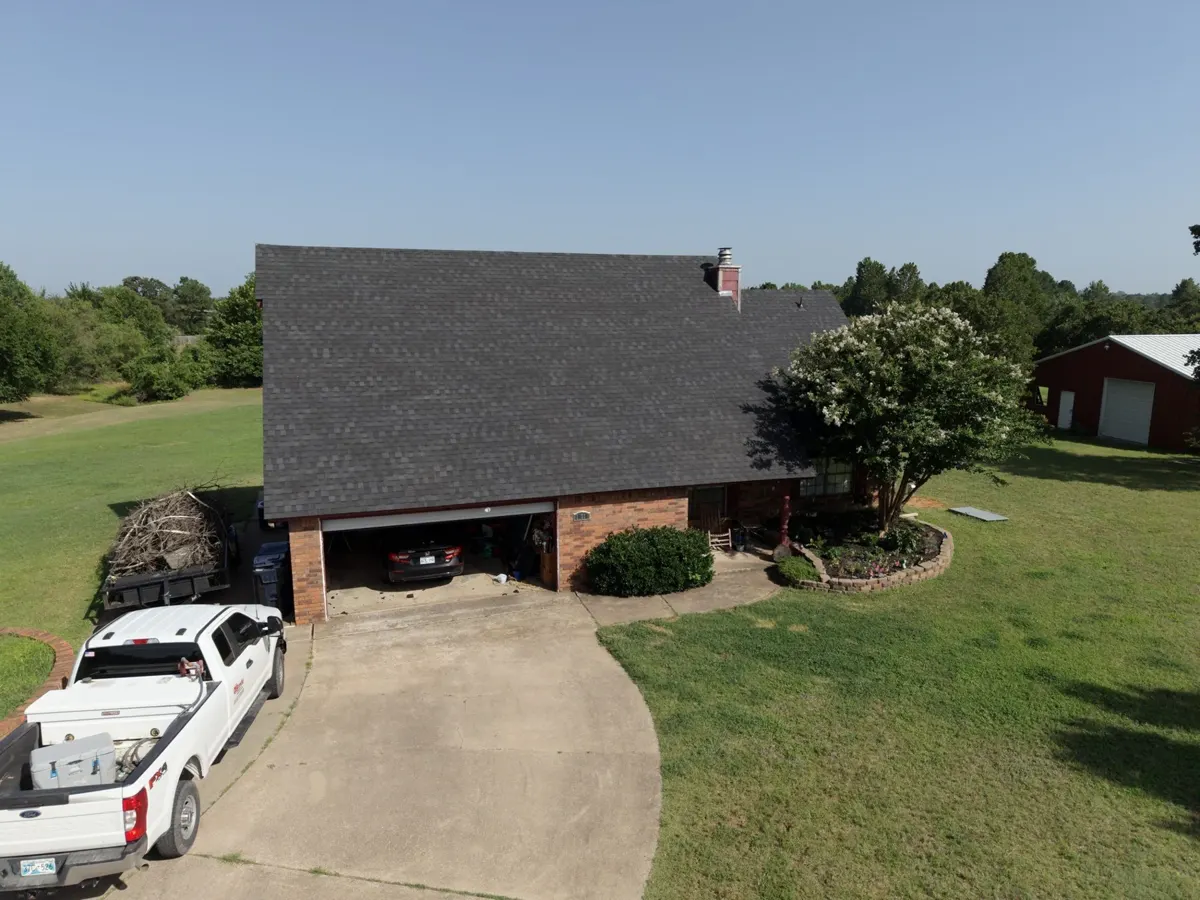
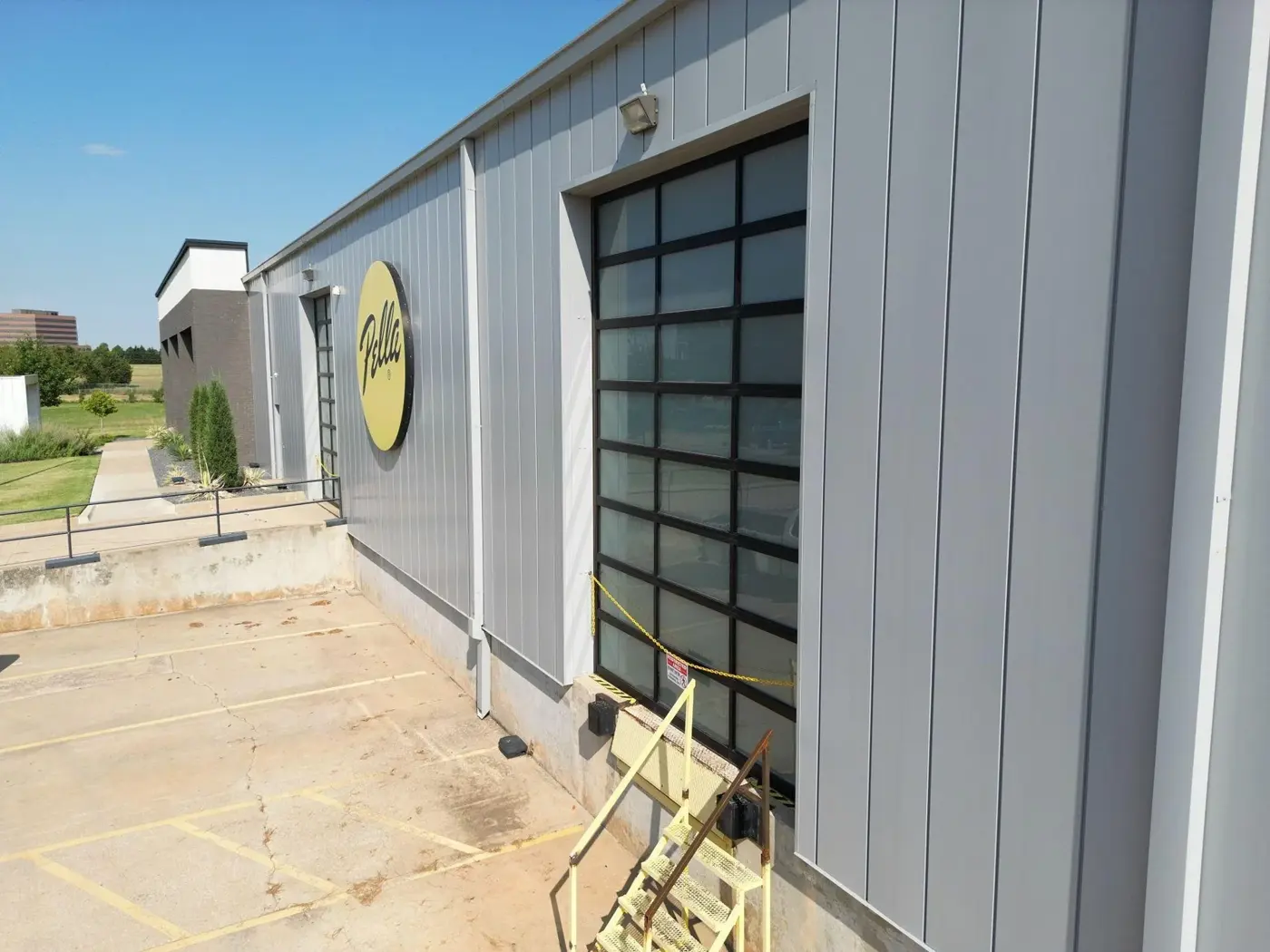
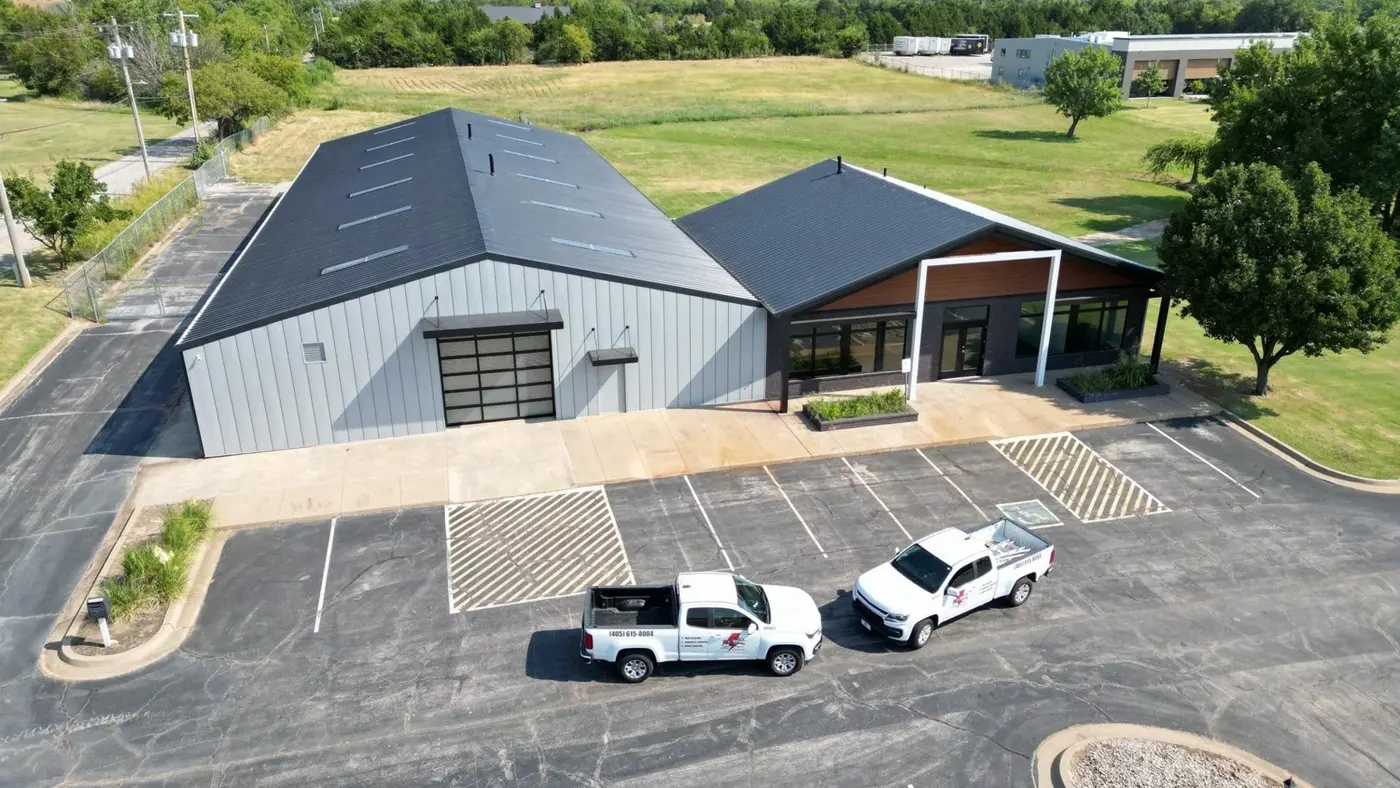
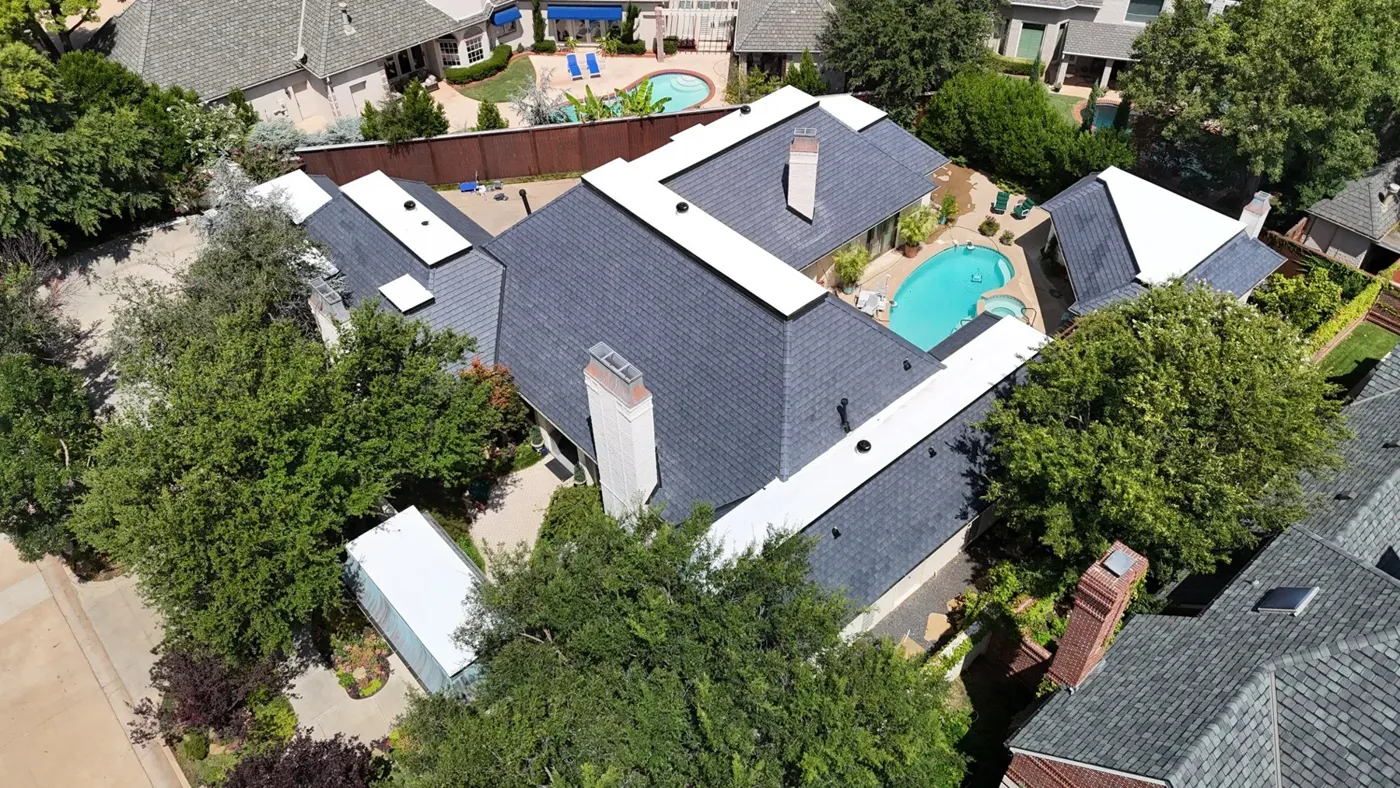
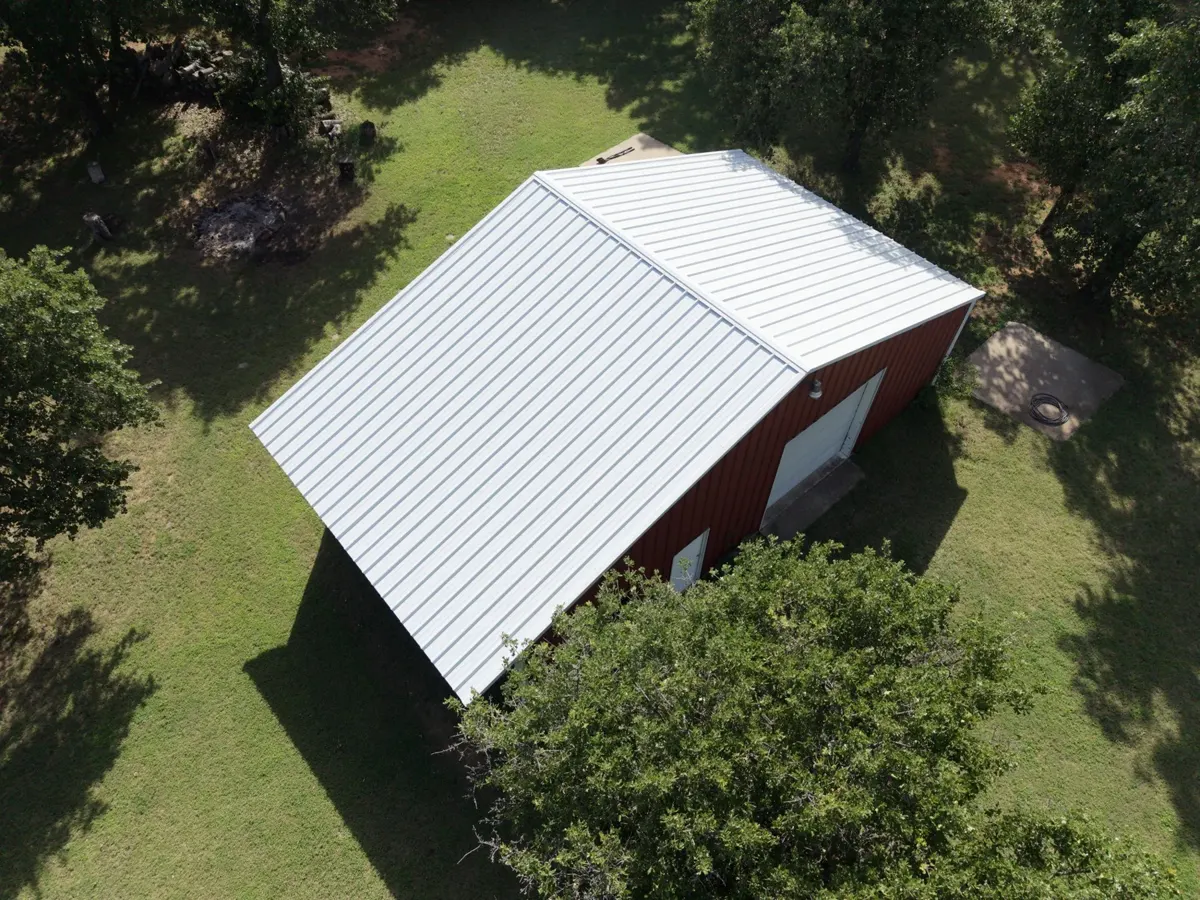
Our Oklahoma collection includes steep gables, a hip roof, a metal-roofed outbuilding and a gray slate-style finish around a courtyard. One aerial shows a home with intersecting gray roof slopes, white low-slope sections and a pool. Another shows a white metal roof on a red-sided building.
These photos are useful examples to discuss with the team. Appearance alone does not identify every roofing product, its installation method or its performance, so confirm the proposed materials in your own estimate. RedZone works with shingle lines from Malarkey, IKO and TAMKO; the materials page explains what to ask about each.
What the roof shape changes
Different shapes raise different questions. Here are a few to bring up with your project manager.
- Gable roofs have exposed ends where wind can catch edges, so edge details matter.
- Hip roofs slope on all sides and have more hips and ridges to cap.
- Valleys collect water from two slopes and need careful flashing or valley treatment.
- Low-slope sections often need a different material than the steep-slope shingles around them.
- Outbuildings such as barns and shops may suit metal roofing.
Ask about the details you cannot see
Finished photos help you judge appearance, but they cannot confirm the condition of decking, underlayment or concealed flashing. Ask what the inspection found, what is included in the replacement scope and how unexpected conditions found during tear-off will be handled and communicated.
Discuss ventilation, roof penetrations and drainage as part of the project plan. These details do not show up in a photo, but they matter for how the roof performs through Oklahoma heat, hail and wind.
Color choice still matters, of course. A dark shingle can look very different on a brick ranch than on a home with light siding, and the same color can read differently on a steep gable than on a low, broad roof. Looking at finished projects from above and from the street helps you choose with more confidence.
Start your roof replacement in Oklahoma with an inspection
Whether your concern is wear, a leak or changes after a storm, the Norman team can walk you through the condition of your roof and the next steps. The office serves Norman, Moore, Oklahoma City, Edmond, Yukon, Mustang and nearby communities.
Use these photos as a starting point for a material and appearance conversation, then base the work on what your property actually needs. If you are not sure whether you need a replacement at all, read repair or replacement first. After a storm, start with what to do after an Oklahoma hail or wind storm. More photos are in the gallery.