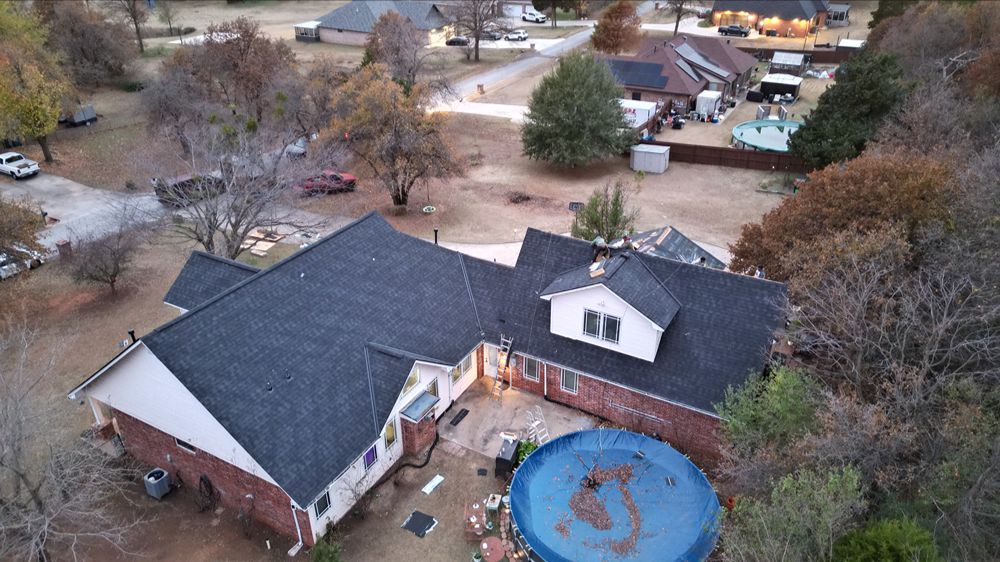
Your roof is one of the most important parts of your home or commercial property, protecting everything inside from rain, wind, snow, hail, and other weather conditions. Regular roof inspections can help identify small problems before they become expensive repairs. But how often should you inspect your roof? In most cases, homeowners should have their roof professionally inspected at least once a year and after major storms or severe weather events.
For property owners in areas such as Madison, WI, and Norman, OK, regular inspections are especially important because seasonal weather and storms can put additional stress on roofing systems. RedZone Roofing helps homeowners and businesses identify potential roofing problems and determine the right solution for maintaining long-term roof protection.
Why Are Regular Roof Inspections Important?
A roof can develop problems that are not always visible from the ground. Missing shingles, small leaks, damaged flashing, moisture intrusion, and early signs of deterioration can gradually become more serious if they are left untreated.
A professional roof inspection gives you an opportunity to identify these problems early. Addressing minor issues can help prevent water damage, structural problems, mold growth, and costly emergency repairs.
Regular inspections can also help you understand the overall condition of your roof and plan for future maintenance or replacement instead of being surprised by an unexpected roofing problem.
How Often Should You Inspect Your Roof?
For most homes, a professional roof inspection once a year is a good general guideline. An annual inspection allows a roofing professional to check for damage, wear, leaks, and other issues that may develop throughout the year.
However, some roofs may require more frequent inspections depending on their age, condition, location, and exposure to severe weather.
Inspect Your Roof After Major Storms
Severe weather can cause roofing damage even when there are no obvious signs from the ground. High winds can loosen or remove shingles, while hail can create impact damage that may not be immediately noticeable.
After a major storm involving strong winds, hail, or heavy rainfall, it is a good idea to have your roof inspected by a professional.
Inspect Older Roofs More Frequently
As roofing materials age, they generally become more vulnerable to damage and deterioration. If your roof is approaching the expected end of its service life, more frequent inspections can help identify problems before they become major concerns.
An inspection can also help you determine whether continued repairs and maintenance make sense or whether it may be time to consider a roof replacement.
Inspect Your Roof Before Buying or Selling a Property
A roof inspection can be valuable when buying or selling a home or commercial property. For buyers, an inspection can reveal potential roofing expenses before completing a purchase. For sellers, addressing roofing problems ahead of time can help avoid surprises during the selling process.
What Does a Roof Inspection Include?
A professional roof inspection typically involves checking the overall condition of the roofing system and looking for visible signs of damage or deterioration.
Depending on the property and roofing system, an inspection may include checking:
- Shingles or other roofing materials
- Flashing around roof penetrations
- Roof edges and valleys
- Gutters and drainage areas
- Vents and other roof components
- Signs of leaks or moisture
- Damaged or missing roofing materials
- Areas affected by previous repairs
- General signs of aging and deterioration
The goal is to identify current problems as well as potential concerns that could become more serious over time.
Signs Your Roof May Need an Inspection
You don’t always have to wait for your annual inspection. Certain warning signs indicate that your roof should be checked sooner.
1. Water Stains on Ceilings or Walls
Water stains inside your property can indicate a roof leak. Even a small stain may be a sign that water is entering through the roofing system.
2. Missing or Damaged Shingles
Strong winds, hail, and normal aging can damage or remove shingles. Missing or damaged roofing materials can leave parts of your roof vulnerable to water intrusion.
3. Granules in Gutters
If you notice an unusual amount of roofing granules collecting in your gutters, it may indicate that your shingles are deteriorating.
4. Sagging Areas
A visibly sagging section of a roof can indicate a more serious roofing or structural problem and should be evaluated by a professional as soon as possible.
5. Increased Energy Costs
Unexpected changes in heating or cooling costs can sometimes be related to problems with your property’s insulation, ventilation, or roofing system. A professional inspection can help determine whether the roof may be contributing to the issue.
6. Visible Moss or Algae Growth
Moss and algae can develop on some roofing systems, particularly in areas that retain moisture. Excessive growth may warrant a closer inspection to determine whether the roofing materials have been affected.
Why Weather Makes Roof Inspections Important
Weather conditions can have a significant impact on roofing systems. In Wisconsin, roofs may experience snow, ice, freezing temperatures, heavy rain, and strong winds throughout the year. In Oklahoma, roofs can face severe thunderstorms, hail, high winds, and tornado-related weather.
These conditions can cause damage that isn’t always immediately visible. That’s why a professional inspection after significant weather events can be an important part of maintaining your roof.
Should You Inspect Your Roof Yourself?
Property owners can perform basic visual checks from the ground, but climbing onto a roof can be dangerous and may result in injury or additional damage.
A professional roofing contractor has the experience and equipment needed to evaluate roofing materials and identify potential problems more safely.
You can still look for visible warning signs from the ground, such as missing shingles, damaged flashing, sagging areas, or debris. If you notice anything unusual, contacting a professional is the safest next step.
How Long Does a Roof Inspection Take?
The length of a roof inspection depends on factors such as the size and design of the property, the type of roofing system, its condition, and whether visible problems require additional evaluation.
A straightforward residential inspection may be completed relatively quickly, while larger commercial properties or roofs with extensive damage may require more time.
After the inspection, your roofing professional should explain any concerns they found and discuss potential next steps.
What Happens After a Roof Inspection?
If your roof is in good condition, you may simply need continued maintenance and regular inspections.
If minor problems are discovered, timely repairs may help prevent them from becoming more serious.
If the roof has extensive damage or is nearing the end of its service life, a professional may recommend considering replacement. The right solution depends on the roof’s condition, age, materials, and overall performance.
How RedZone Roofing Can Help
RedZone Roofing provides professional roofing services for homeowners and businesses. Our team can help identify roofing problems and recommend practical solutions based on the condition of your property.
Whether you need a routine inspection, roof repair, storm damage assessment, or complete roof replacement, we can help you understand your options.
Our goal is to provide dependable roofing solutions that help protect your property and avoid unnecessary surprises.
Frequently Asked Questions
How often should I have my roof professionally inspected?
Most homeowners should have their roof professionally inspected at least once a year. Additional inspections are recommended after major storms or when you notice signs of damage.
Should I inspect my roof after a hailstorm?
Yes. Hail can cause damage that isn’t always visible from the ground. A professional inspection can help identify damaged shingles and other roofing components.
Is an annual roof inspection necessary for a newer roof?
Yes. Even newer roofs can experience damage from severe weather, installation issues, or unexpected problems. Annual inspections help confirm that your roofing system remains in good condition.
How do I know if my roof needs immediate attention?
Water stains, active leaks, missing shingles, significant storm damage, sagging areas, and exposed roofing materials can indicate that your roof needs prompt professional attention.
Can a roof inspection prevent costly repairs?
An inspection cannot prevent all roofing problems, but identifying and addressing minor issues early can help reduce the risk of more extensive damage and expensive repairs.
Protect Your Roof With Regular Inspections
Regular roof inspections are an important part of responsible property maintenance. An annual professional inspection, combined with additional inspections after severe weather, can help identify roofing problems early and keep your property protected.
If you haven’t had your roof inspected recently or you’re concerned about damage, RedZone Roofing can help.
Contact RedZone Roofing today to schedule your roof inspection and get a free estimate.