
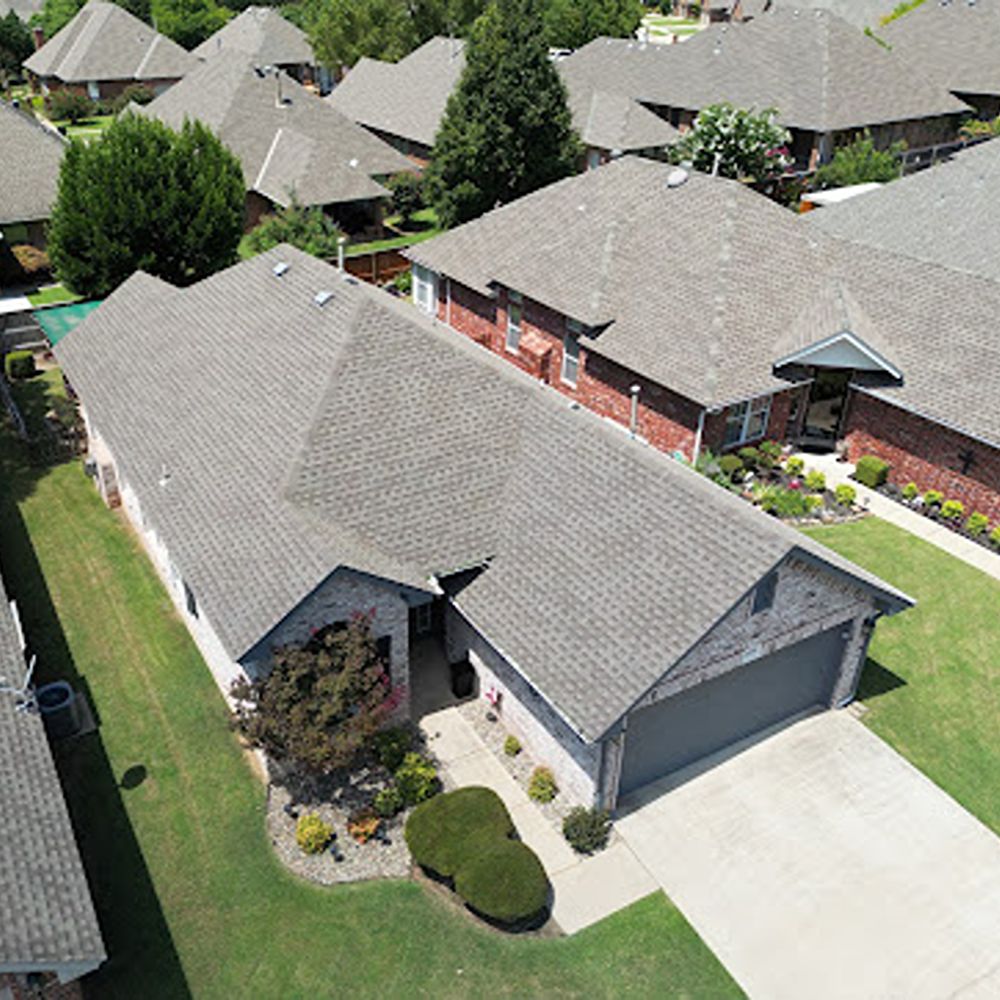
1. Roof Insurance Claims Guide
Filing a roof insurance claim can feel overwhelming after storm damage. Understanding the claims process, documenting damage, and working with experienced roofing professionals can make the process easier. This guide explains what homeowners should expect and how to maximize the chances of a successful claim while protecting their investment.
2. Does Insurance Cover Roof Damage?
Insurance coverage depends on the cause of the damage and your specific policy. Storms, hail, and wind damage are often covered, while normal wear and lack of maintenance may not be. Learn how homeowners insurance typically handles roofing claims and when to contact your provider.
3. How Roofing Inspections Help Claims
A professional roof inspection provides detailed documentation that supports insurance claims. Roofing experts identify damage, prepare reports, and explain repair needs to insurance adjusters. Proper documentation can simplify the claims process and improve communication between homeowners and insurance companies.
4. Avoid Insurance Claim Mistakes
Simple mistakes like delaying inspections, failing to document damage, or attempting repairs before approval can complicate insurance claims. Understanding the correct process helps homeowners avoid unnecessary delays and ensures claims are handled efficiently. Learn the best practices for protecting your roofing investment.
5. Working With Insurance Adjusters
Insurance adjusters evaluate roofing damage and determine claim eligibility. Being prepared with inspection reports, photos, and repair estimates helps homeowners communicate effectively throughout the process. Discover tips for working with adjusters and ensuring your claim moves forward smoothly.
6. Storm Damage Claim Timeline
Understanding the insurance timeline helps homeowners know what to expect after filing a roof claim. From inspections and adjuster visits to approvals and repairs, each step plays an important role. Learn how experienced roofing contractors assist throughout the process to minimize delays.